
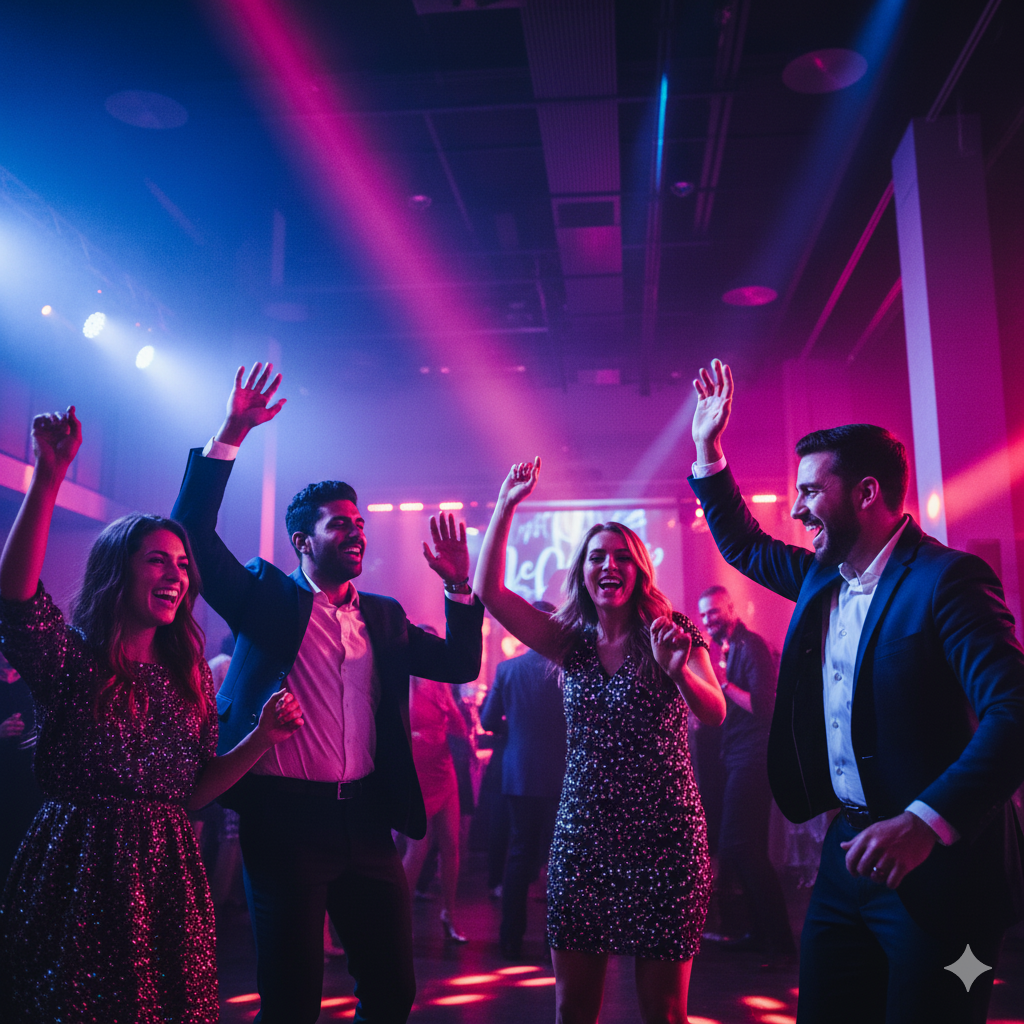
Event Photography Skills & Techniques: Mastering Every Moment
Every event tells a story — whether it’s a corporate gala, product launch, company retreat, or a private celebration. In a world where first impressions and brand images matter more than ever, professional photography does more than document the occasion; it preserves energy, connection, and authenticity. A skilled event photographer doesn’t just take pictures — they translate emotion and atmosphere into powerful visual narratives that reflect the essence of the event and its purpose.
Capturing a live event requires a specific blend of precision, adaptability, and artistic intuition. Unlike staged studio photography, events are dynamic, unpredictable, and filled with fleeting moments. Below are ten essential skills that define a true professional in the art of corporate and private event photography.
1. Timing and Anticipation
Moments don’t wait — they happen once, and then they’re gone. A skilled event photographer anticipates rather than reacts. Whether it’s a keynote speaker’s most impactful gesture, an executive handshake, or a spontaneous laugh at a private dinner, the ability to foresee and capture the moment just before it peaks is what creates photos that feel alive. Anticipation is what turns an ordinary shot into an unforgettable one.
2. Technical Control in Changing Environments
Corporate and private events are rarely static. One moment you’re shooting under fluorescent lighting in a conference room, and the next, you’re capturing an awards ceremony under dim spotlights. A professional must be able to adjust camera settings instinctively — balancing shutter speed, ISO, aperture, and white balance on the fly — without losing focus on the action. Mastery of these elements ensures sharp, well-lit, and visually appealing images in any condition.
3. Deep Knowledge of Gear
Owning high-end equipment is not enough; knowing how to use it under pressure is what matters. Event photographers rely on cameras with fast autofocus, strong low-light performance, and dual memory card slots for redundancy. Lenses must be chosen strategically: a 24–70mm zoom for versatility, a 70–200mm for speaker close-ups, and a fast 35mm or 50mm prime for candid moments. Understanding your gear’s strengths and limitations allows for smooth adaptability, ensuring that no key moment is missed.
4. Adaptability and Quick Thinking
Each venue and event layout presents its own unique challenges — reflective walls, dimly lit ballrooms, crowded networking sessions, or outdoor glare. A skilled photographer adapts instantly, finding creative angles and adjusting to new lighting conditions without disrupting the event. Adaptability also includes working around unexpected changes: delayed schedules, surprise performances, or sudden weather shifts during outdoor events. Flexibility ensures that professionalism and consistency remain intact under any circumstances.
5. Storytelling Through Composition
Every photo should contribute to the overall story of the event. Wide shots establish the setting, while close-ups capture emotion and detail — the laughter at a dinner table, the firm handshake between business partners, or the intensity of a speaker on stage. Great photographers think beyond single shots; they create visual narratives that reflect both the purpose and the spirit of the event. Storytelling through composition turns a collection of images into a cohesive and memorable record.
6. Professionalism and Discretion
At corporate and private functions, photographers must often blend into the background. Being discreet allows attendees to relax and act naturally, producing more authentic images. Yet professionalism also means knowing when to step forward — for posed group shots, VIP portraits, or high-profile moments. A respectful, polished demeanor is essential when representing both yourself and your client’s brand.
7. Strong Interpersonal and Communication Skills
Corporate and private events are built on relationships — and the same applies to the photography. The best photographers are excellent communicators who can coordinate seamlessly with event planners, PR teams, and AV technicians. They make guests feel at ease and know how to direct large groups efficiently. This ability to connect ensures that the experience is positive for everyone, not just behind the lens.
8. Creative Problem-Solving
Events don’t always go according to plan. Lighting may be poor, the schedule may shift, or the backdrop may not be ideal. A skilled event photographer improvises — repositioning lights, using available props, or adjusting camera angles to turn obstacles into opportunities. Creative problem-solving ensures that no matter the challenge, the final images maintain a professional and polished standard.
9. Efficient Workflow and Data Security
After the event ends, the work continues. A professional photographer must manage files meticulously: importing, backing up, and organizing thousands of photos while ensuring data integrity. Corporate clients especially value punctual delivery and organized galleries. A reliable post-production workflow — including efficient editing, consistent color grading, and backup protocols — is essential for delivering a smooth and professional client experience.
10. Artistic Vision and Brand Understanding
While technical expertise ensures clarity and precision, artistic vision gives images life. A seasoned photographer understands the client’s brand identity — whether it’s luxury, innovation, community, or celebration — and tailors their work accordingly. In a corporate setting, this means capturing professionalism, energy, and success. In a private event, it means highlighting intimacy, emotion, and connection. The goal is not just to document, but to elevate the experience through visual storytelling that aligns with the event’s purpose.
The Importance of the Right Gear
The right gear is the photographer’s toolkit for adaptability. Full-frame cameras excel in low-light conditions and deliver superior image quality for print and web use. Versatile lenses allow seamless transitions from wide crowd shots to intimate close-ups. Reliable flashes, modifiers, and even silent shutters are crucial when working in environments where discretion is key. But beyond having the gear, knowing it intimately is what enables creativity under pressure. Familiarity allows the photographer to focus entirely on people, emotion, and storytelling — rather than settings and dials.
Conclusion
Corporate and private event photography is a fusion of artistry, technical skill, and emotional intelligence. The best photographers capture more than faces — they capture energy, interaction, and atmosphere. Their images tell stories that inspire, motivate, and connect. Behind every great event photo is a professional who planned ahead, adapted in the moment, and anticipated what others never saw coming.
In the fast-paced world of live events, those fleeting moments are priceless. A skilled photographer makes sure they last forever.
