How to Capture Genuine Emotion at Events: Practical Techniques for Authentic Storytelling
Genuine emotion in event photography comes from unposed, unscripted reactions—the small, honest moments that make viewers feel like they’re back in the room. This guide lays out clear, field-tested techniques for finding and preserving those reactions: documentary principles, anticipation and positioning, rapport-building, lighting and composition, and careful post-processing. At awesnap we favor a documentary, unobtrusive approach that lets instinct lead and delivers galleries quickly, so clients get a truthful record of their day. Many photographers struggle with staged-looking shots, missed expressions, or heavy editing; this article shows how to observe, move, and edit with restraint so emotion stays front and center. Read on for definitions, tactical checklists, lens-and-light guidance, editing workflows, and local tips for clients who want authentic event coverage.
What Is Documentary Event Photography and Why It Matters
Documentary event photography—think photojournalism for weddings and parties—records what happens rather than directing it. It focuses on candid interactions, relying on timing, observation, and minimal interference so people act naturally and images feel immediate and honest. For clients, documentary coverage pieces together moments—tears, laughs, small gestures—so the gallery recreates the feel of the day better than a collection of posed photos. Learning this mindset helps photographers blend into the event flow and make storytelling choices that preserve emotional truth.
How Documentary Style Captures Real, Emotional Moments
Documentary photographers start with steady observation to spot emotional cues, then move fluidly to frame those cues as they unfold. They mix long lenses for distance with primes for low-light intimacy, waiting for micro-expressions and body language to align instead of staging scenes. A good example is the “first look”: the photographer anticipates eye contact, moves to a flank so both faces show, and times the shutter for the instant of recognition. Building that observational discipline takes practice and post-shoot debriefs so instincts and framing improve with each event.
How Candid Photography Differs from Traditional Posed Shots
Candid, or documentary, photography relies on context, timing, and environment to show authentic emotion. Posed portraits aim for ideal composition; candid images use guest reactions, venue details, and spontaneous gestures to add narrative depth—often creating memories that feel truer to clients. Posed shots still belong for formal groups or specific requests; a balanced gallery that mixes both approaches gives clients emotional highlights plus the keepsakes they expect. Skilled photographers switch between directing and observing without interrupting the event’s emotional rhythm.
How Photographers Can Anticipate and Capture Emotional Moments
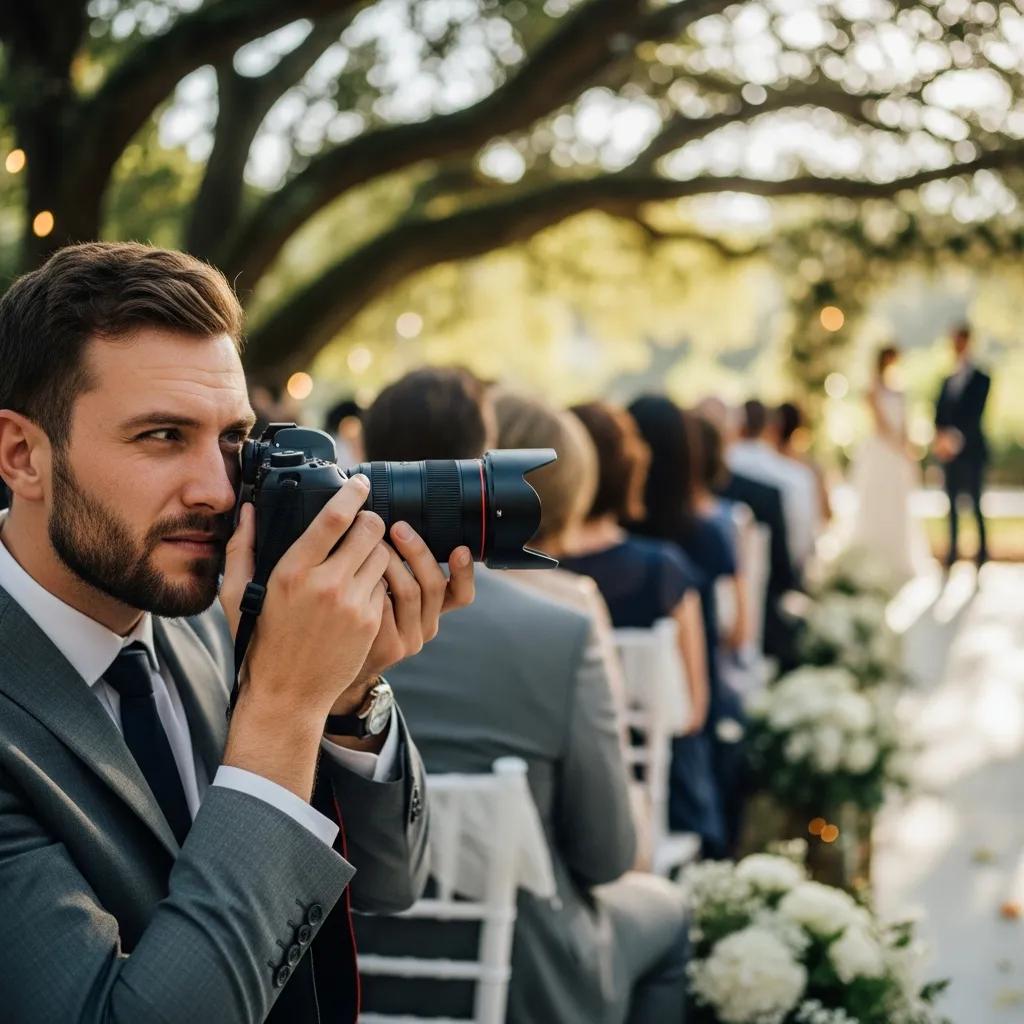
Anticipation comes from reading cues, rehearsing movement, and committing to unobtrusive positions that give access without drawing attention. Combine the event timeline with visual signals—body language, eye lines, vendor cues—to predict when a peak moment will happen and where to stand. Use burst mode sparingly and know when a single, decisive frame is the right call. The checklist below gives concrete steps you can use during live events to improve your hit rate.
Photographers can follow this actionable checklist to anticipate and capture emotional moments:
- Study the timeline: Confirm the order of ceremony items and speeches so you know when vows, reveals, and toasts will happen.
- Watch body language: Tightened hands, forward leans, or steady eye contact often signal an emotional moment is near.
- Position early: Move to a flank or a slightly elevated spot before the moment begins so you don’t interrupt it.
- Choose shooting mode wisely: Use single-shot timing for deliberate expressions and short bursts when reactions are unpredictable.
Techniques for Reading the Room and Predicting Key Moments
Reading the room starts with simple habits—scan guest clusters, listen to tone, and notice vendor pacing—to catch early warning signs of emotional peaks. Look for triggers like a parent glancing at a child during a speech, an officiant pausing before vows, or a speaker taking a breath before a reveal. Pre-event chats with planners or couples often surface cues you can use to be in place a minute before something happens. Practicing this across many events builds pattern recognition so you move instinctively when signals line up.
How Instinct Helps Capture Genuine Reactions
Instinct is fast decision-making born of experience and practice; it lets you act on split-second cues without overthinking composition and miss the moment. Build instinct with targeted exercises—storyboard drills, rehearsal shoots, and reviewing edits—to internalize typical emotional arcs and framing solutions. Keep instinct balanced with compositional rules so timing doesn’t sacrifice clarity. When you routinely analyze what worked and why, instinct becomes a repeatable skill that improves future captures.
How to Build Rapport to Elicit Genuine Emotion
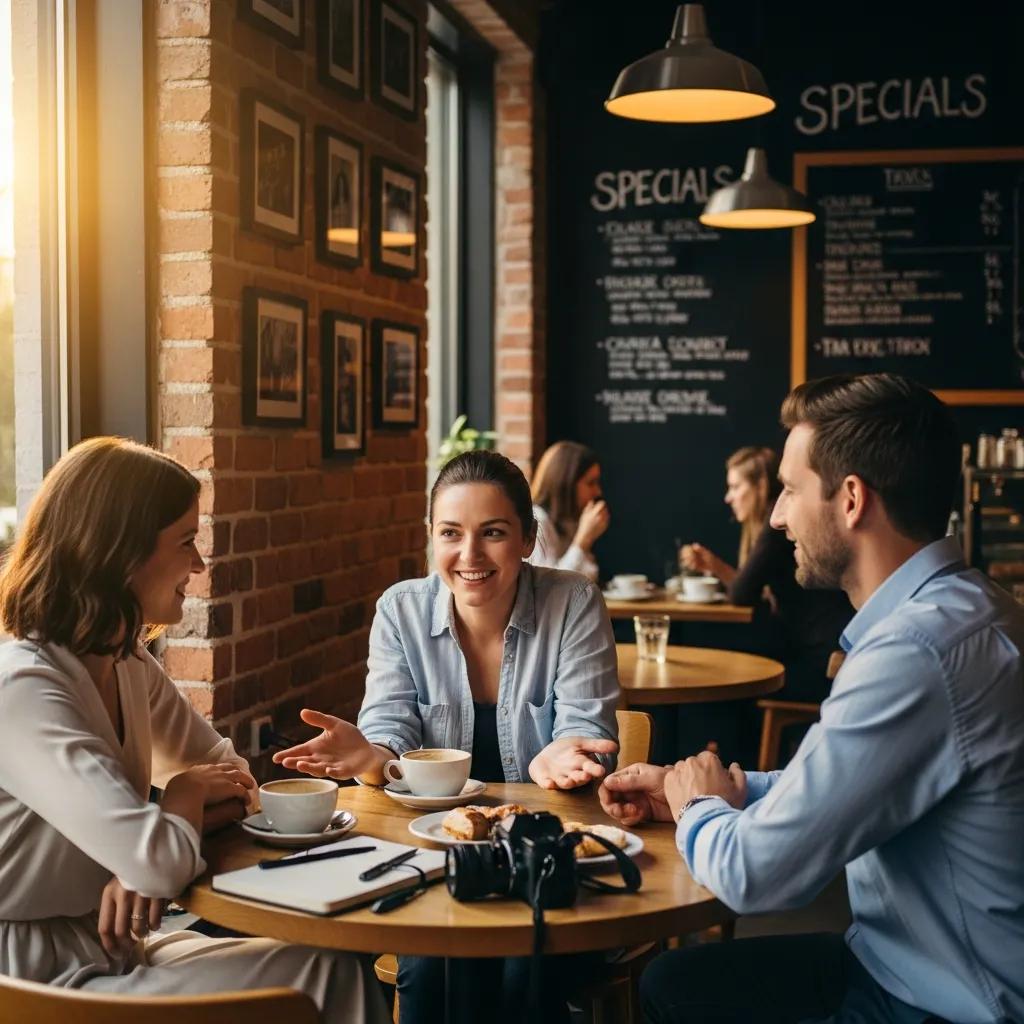
Rapport lowers self-consciousness and makes clients and guests behave more naturally, which leads to truer expressions. Start with a friendly questionnaire or short video call to learn priorities and any sensitive family dynamics—this sets expectations and shows respect for the couple’s story. On the day, brief, casual check-ins and calm body language help people relax. Below are practical strategies and example prompts that create comfort without scripting moments.
Use these practical strategies to make clients comfortable and encourage candid moments:
- Pre-shoot prep: Send a short questionnaire to learn who and what matter most to the couple.
- Casual rapport: Have a quick coffee or walk through the timeline to make introductions and build trust.
- Activity prompts: Suggest natural actions—walking, whispering, dancing—rather than asking for posed smiles.
How to Make Clients Comfortable for Candid Photos
Clients relax when they know the process and feel heard. A concise pre-event questionnaire about priority moments and family sensitivities reduces stress and aligns expectations. On-site, do a short, friendly check-in—ask about people to watch for or whether an older guest prefers certain seating—to show you care. During portraits, use movement-based prompts like “walk toward each other slowly” or “share a quick memory” to spark authentic reactions while preserving dignity.
How Photographer Presence Shapes Authentic Interaction
Your presence—body language, distance, and gear—affects how naturally people behave. An unobtrusive stance encourages authenticity; aggressive positioning can shut it down. Choose gear that helps you blend in: smaller camera bodies and primes for low-light intimacy, or a long lens to keep distance during private moments. Keep your body language neutral—relaxed shoulders, a soft voice, minimal direction—and vary proximity: step closer for intimate exchanges, step back during group reactions to preserve context.
Using Natural Light and Composition to Strengthen Emotion
Light and composition shape mood and focus attention on expression. Backlight at golden hour creates soft halos and tenderness; window light sculpts faces and reveals micro-expressions. Layer foreground elements—hands, flowers, venue details—to add context without stealing the moment. The table below pairs common lenses with lighting scenarios so you can choose tools that support your emotional intent.
Match optics and light to support the story, and follow these quick dos and don’ts when working with available light:
- Do seek soft directional light to model faces and reveal micro-expressions.
- Do expose for emotion: prioritize faces over blown highlights so expressions remain readable.
- Don’t use heavy fill flash that flattens mood or distracts subjects.
- Don’t over-process images in ways that change the original emotional tone.
Best Lens Choices for Emotional Wedding Photography
Lens choice depends on how close you can get, available light, and how discreet you need to be. Primes like 50mm and 85mm are great for low-light, intimate portraits thanks to wide apertures and soft backgrounds. A 70–200mm zoom lets you stay distant during sensitive moments while still capturing reactions, and wide-angle lenses are useful in receptions where context and movement matter. Use primes for micro-expression detail, telephoto for candid distance, and wide-angle for inclusive environmental frames.
How Angles and Micro-Expressions Build Narrative
Angles and tiny facial cues tell the story: slightly off-eye-line shots feel more candid, while straight-on frames read as formal. Micro-expressions—tiny changes around the eyes and mouth—need sharp focus and timing, so pick faster shutter speeds and precise framing to freeze those fleeting moments. Use foreground elements (a bouquet, cuff, or architectural detail) to add layers that guide the viewer to the expression that anchors the frame. Anticipation plus deliberate angles turns single images into emotional beats.
Post-Processing Techniques That Support Emotional Storytelling
Editing should enhance, not invent, the scene’s feeling. Start with exposure and crop to remove distractions, then use selective contrast and subtle color grading to draw attention to faces and gestures while keeping skin texture authentic. Avoid heavy retouching that smooths away meaningful detail—imperfections often add honesty and emotional weight. The table below links common image elements to edit types and their expected emotional impact to help you make responsible choices.
Follow this step-by-step editing checklist to preserve and amplify genuine emotion:
- Correct exposure and color: Start with neutral white balance and accurate face exposure so expressions stay legible.
- Crop for story: Tighten framing to emphasize interaction while keeping essential context.
- Apply local adjustments: Use selective dodging and gentle clarity to bring out eyes and hands.
- Color grade minimally: Choose tones that support the moment—warmer for intimacy, cooler for distance.
This workflow keeps the captured emotion front and center and sets realistic expectations for timely delivery, which matters for client satisfaction.
How to Edit Photos to Preserve and Strengthen Emotion
When you edit, start by honoring the original moment. Avoid aggressive changes that reshape faces or remove context. Use exposure, crop, and local contrast to make the emotional subject read clearly. Keep skin texture and skip heavy smoothing—small imperfections add honesty and empathy. Apply color with intent: a touch of warmth can heighten tenderness, while muted tones can underline solemnity. Always compare edits to the original frame to ensure your changes support the story.
Why Fast Gallery Delivery Matters to Clients
Delivering galleries quickly helps clients relive their day while memories are fresh, boosting immediate satisfaction and encouraging shares and referrals. Clear turnaround times reduce anxiety, and fast previews keep excitement high. Efficient workflows—smart culling, batch adjustments, and prioritized exports—let you deliver speed without sacrificing quality. Quick, consistent delivery builds trust and shows respect for the client’s desire to revisit and share meaningful moments.
How to Capture Authentic Emotions in Event Photography
awesnap Photography specializes in documentary, candid, and lifestyle event coverage that emphasizes honest storytelling through an unobtrusive presence, instinctive timing, and fast gallery delivery for clients in Westport, CT. We focus on observing and narrating the day rather than staging it, while still making time for formal portraits when needed. Because we know local venues and how light behaves in them, we can position ourselves for higher-probability emotional captures that feel satisfying and true. To discuss documentary event coverage or check availability, call Michael Sage at +1 203-909-9494.
What Michael Sage Adds to Documentary Event Photography
Michael brings an instinct-driven approach that combines practical pre-event planning with quiet, observational coverage and a fast, thoughtful editing process. He meets clients before the day to align priorities, stays unobtrusive during the event to preserve real moments, and edits efficiently to enhance mood without changing authenticity. His familiarity with Westport venues helps him anticipate light and movement, giving clients a consistent, story-driven gallery.
How Clients Describe awesnap’s Strength in Emotional Capture
Clients often praise awesnap for capturing candid moments and delivering galleries quickly. They say the photos feel natural and bring back the sensory memory of the day—proof that a documentary approach preserves the event’s emotional arc. Prospective clients who prioritize authentic storytelling and prompt delivery can request sample galleries and discuss priorities during a consultation to ensure expectations align with the intended outcome.
Key reasons clients choose documentary coverage:
- Authentic storytelling across an event, not just isolated posed images.
- Faster delivery that preserves excitement and enables timely sharing.
- Local knowledge of Westport venues that improves positioning and use of light.
Next steps for interested clients:
- Make a short list of priority moments and important guests.
- Share the event timeline so coverage aligns with key triggers.
- Call Michael Sage at +1 203-909-9494 to check availability and discuss approach.
Conclusion
Capturing genuine emotion at events turns fleeting moments into memories clients can revisit again and again. By prioritizing observation, rapport, and natural light—and editing with restraint—photographers can create cohesive, emotionally honest galleries. If you want event coverage that balances artistry with truthful storytelling, awesnap Photography is here to help. Reach out to talk about preserving your most meaningful moments.